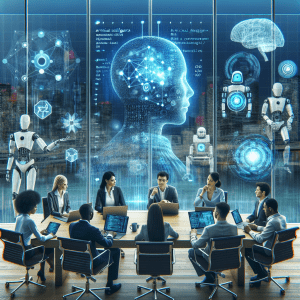
When we talk about AI, we’re diving into some pretty exciting stuff! At its core, Artificial Intelligence is all about creating machines that can think and learn like humans. It’s not just a bunch of robots running around; it’s about algorithms and data coming together to mimic human intelligence.
The simplest way to understand AI is to think of it as a really smart assistant. Imagine your phone’s virtual assistant that can answer questions, play music, or even set reminders. That’s a basic form of AI. It learns from the way you interact and gets better at predicting what you want over time.
There are a couple of main types of AI: narrow AI and general AI. Narrow AI is designed for specific tasks. It’s like a super-specialized tool that does one thing really well, like finding the fastest route on your maps app. General AI, on the other hand, is more like a human brain. It can understand, learn, and apply knowledge across a variety of tasks. We're not quite there with general AI yet, but researchers are definitely working on it!
Data plays a huge role in AI. The more data you feed it, the smarter it gets. Think of it this way: if you’re learning something new, the more practice you get, the better you become. AI follows a similar path. It analyzes tons of information and identifies patterns to make predictions or decisions.
Key Moments in AI History
The journey of artificial intelligence is packed with exciting moments that changed the course of technology. Let’s take a look at some of the key milestones that laid the groundwork for the AI revolution.
In 1956, the Dartmouth Conference kicked things off. This was the first time researchers gathered to brainstorm about machines that could think. Names like John McCarthy and Marvin Minsky were tossed around, and they planted the seeds of what would grow into modern AI. It was a game-changer.
Fast forward to 1997, when IBM's Deep Blue took on chess champion Garry Kasparov. This showdown wasn’t just a game; it was a statement. Deep Blue won, proving that machines could outsmart humans in complex tasks. People began to think, “Wow, what else can machines do?”
Then came 2012, a landmark year. The ImageNet competition saw a deep learning model crush the previous records in image recognition. This sparked interest in neural networks, and researchers started realizing that AI could actually learn from vast amounts of data. It was like flipping a switch.
These moments aren’t just history lessons; they’re the building blocks of the AI we see today, from virtual assistants to self-driving cars. Each step paved the way for new possibilities, making AI a crucial part of our lives.
How AI Changed Our Lives
AI is everywhere these days, and it’s pretty wild to think about how much it's changed our lives. Remember those times when we had to sift through mountains of paperwork or spend hours looking for the right information? Well, with AI on our side, things just got a whole lot easier. With a simple voice command, we can find answers, make reservations, and even control our smart homes. It’s like having a super helpful friend by your side, 24/7.
Take our phones, for instance. They’re smart, right? Thanks to AI, they can recognize our faces, understand our voices, and suggest what we want to hear or see next. Ever noticed how Netflix seems to know exactly what you feel like watching? That’s AI at play, studying your preferences and serving up suggestions tailored just for you. It makes entertainment choices so much easier and way more fun.
Then there’s customer service. Instead of waiting on hold forever, AI chatbots are there to help us almost instantly. They can answer questions, guide us through processes, and even handle simple transactions without breaking a sweat. It’s not perfect yet, but it’s a huge step forward from how things used to be, making our lives smoother.
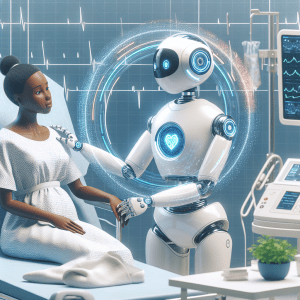
Healthcare is another area where AI shines. It can analyze medical data faster than a human ever could, helping doctors catch issues early and improve patient care. Just think about it: AI could help predict health problems before they even arise, which means healthier lives for all of us. Amazing, right?
Future Trends in Artificial Intelligence
Artificial intelligence is changing fast, and it’s exciting to think about what’s coming next. One big trend is the rise of AI in everyday life. Think of smart assistants not just answering questions but actually helping with daily tasks. Imagine your coffee machine brewing your perfect cup at the right time just because it knows your routine. This kind of seamless interaction with AI is becoming a reality.
Another trend is the growth of AI in creative fields. From music and art to writing, AI tools are stepping in to help creators brainstorm or even complete projects. You can already see AI generating images based on descriptions. Soon, it might help write scripts or compose songs that sound just like famous artists. This opens up a world of possibilities for creatives everywhere.
The focus on ethical AI is gaining traction too. As more companies use AI, there's a push to make sure it’s fair and transparent. Users want to know how their data is being used and ensure that AI doesn’t perpetuate bias. This accountability will shape how companies develop and market their AI products in the future, creating systems people can trust.
Finally, you can expect a surge in personalized AI experiences. AI will learn your preferences and adapt to your needs. Whether it’s streaming services recommending your next favorite movie or shopping sites suggesting outfits, this kind of AI offers a more tailored experience. It’s all about making your life easier and more enjoyable with technology that gets to know you.