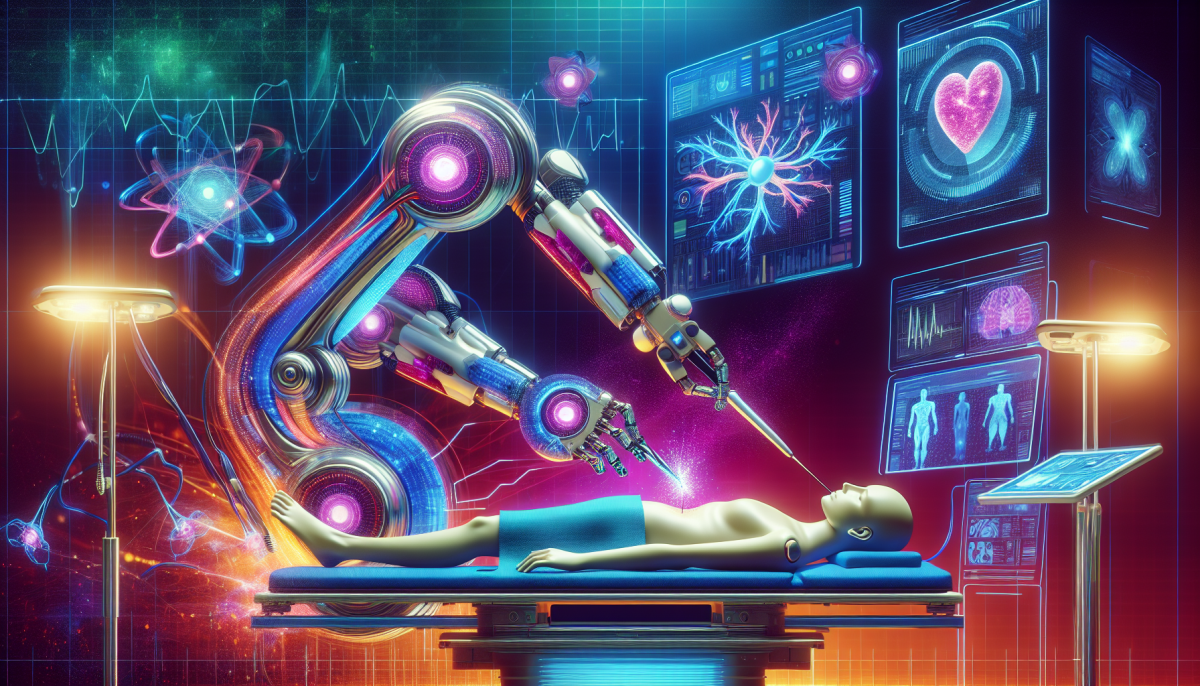
AI is changing the game in healthcare, making things easier and faster for patients and doctors alike. Imagine going to the doctor and having your symptoms diagnosed almost instantly. That's not a distant dream anymore. AI-powered tools analyze patient data, making it quicker to spot patterns and provide accurate diagnoses.
Take medical imaging, for example. AI can help doctors interpret scans with amazing accuracy. Instead of spending hours analyzing images, AI does the heavy lifting, flagging potential issues that doctors should focus on. This means faster results and better care, which is vital in situations where every second counts.
But it doesn't stop there. AI can help in predicting patient outcomes by analyzing their health history and lifestyle. This predictive power allows doctors to create personalized treatment plans that are tailored just for you. It's like having a personal health assistant that understands you on a deeper level.
Patients can also access AI tools through apps that monitor their health. From reminders for medication to insights about changes in their health, these tools make managing your well-being easier than ever. It's all about making healthcare more accessible and proactive, ensuring that you get the care you need when you need it.
Benefits of AI for Patients and Providers
AI is changing the game for both patients and healthcare providers, making everything smoother and more efficient. For patients, it means quicker diagnosis and treatment plans. Imagine walking into a clinic and getting information tailored just for you without the long waits. AI can analyze your symptoms and history almost instantly, helping doctors make faster decisions.
Providers also benefit big time. With AI tools, they can sift through mountains of data to spot trends and insights that humans might miss. This not only improves patient care but also helps in managing resources better. Less time on administrative tasks means doctors can focus more on what they love—caring for patients.
Another great advantage is personalized treatment. AI can help create custom medication plans based on your unique health data. This level of personalization gives both you and your doctor confidence in the treatment approach, making it feel less like a guessing game.
Finally, AI plays a huge role in preventative care. With predictive analytics, it can identify potential health issues before they become serious. This proactive approach helps keep everyone healthier and can even save time and money in the long run.
Transformative Tech in Medical Diagnostics
AI is shaking things up in medical diagnostics, and it’s pretty exciting. Imagine getting super accurate results without the waiting game that's usually part of it. With machine learning algorithms, doctors can now rely on tools that analyze data quickly and efficiently, catching things that might slip through the cracks in traditional methods.
Take radiology, for example. AI can sift through thousands of medical images to identify conditions like tumors earlier than ever before. It’s like having a second pair of eyes that never gets tired. This tech isn't here to replace doctors but rather to support them, making their job easier and allowing them to focus on patient care.
Then there's predicting outbreaks before they happen. AI analyzes patient data and social media trends to spot patterns that can signal a health crisis. This foresight helps health organizations respond faster, saving lives and resources. It’s all about being proactive instead of reactive.
And let’s not overlook personalized medicine. AI can help tailor treatments based on a patient's unique genetic makeup. This means people get the right medication or therapy suited just for them, increasing the chances of successful outcomes. It's incredible how technology is making healthcare not just better, but also more personal.
Future Trends in Healthcare and AI
AI technology is shaking things up in healthcare, and the best part? We’re just getting started. Imagine walking into a clinic where AI knows your health history without you needing to provide a single piece of information. That’s not just a dream; it’s a future possibility. AI can analyze data faster than any human, helping doctors make quick and accurate decisions about treatment options.
Telehealth is another area where AI is making a big impact. Picture having a virtual consultation with a doctor who can use AI to analyze symptoms, suggest diagnoses, and even recommend the best course of action—all from your couch. This saves time and gets help to patients who need it the most without any waiting rooms involved.
Then there’s the potential of AI in personalized medicine. By analyzing your unique genetic makeup and lifestyle, AI can suggest treatment plans that are tailored to you. Say goodbye to one-size-fits-all solutions. Instead, you get a plan that resonates with your specific health needs.
We also can't overlook the role of AI in drug development. Traditionally, this process takes ages and costs a fortune. Now, with AI crunching the numbers, researchers can pinpoint effective compounds and speed up the trials. This means new medications could hit the market faster, helping patients get the treatments they need sooner.
As we look ahead, the combination of AI and healthcare is full of possibilities. Whether it's through enhanced diagnostics, virtual care, or more tailored treatments, it’s all about making healthcare smarter and more accessible for everyone.