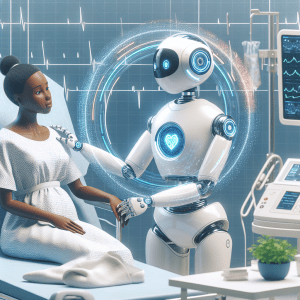
AI technology is changing how we approach patient care in incredible ways. Imagine a world where doctors have supercharged tools to help them diagnose patients more accurately and quickly. That's what AI brings to the table. It can analyze mountains of data in no time, spotting patterns that might take humans much longer to see.
One of the coolest things about AI in healthcare is its ability to personalize treatment. With AI, doctors can look at individual patient data and create treatment plans that fit each person's unique needs. It’s like having a tailored suit instead of a generic option—so much better!
AI isn't just about improving diagnosis and treatment, either. It helps streamline administrative tasks, too. From scheduling appointments to managing patient records, AI can take over repetitive tasks, making the whole process smoother. This allows healthcare professionals to focus on what they do best—taking care of patients.
Not to mention, AI is starting to play a big role in predicting health issues before they happen. By analyzing data from wearables and health records, AI can identify risk factors and alert both doctors and patients. Being proactive about health can make a huge difference in outcomes.
AI Tools for Efficient Diagnosis
AI tools are changing the game when it comes to diagnosing health issues quickly and accurately. These smart systems can analyze medical images, patient data, and even symptoms in moments. This means doctors can focus more on patient care rather than getting bogged down in all the details.
One of the coolest tools out there is AI-powered imaging software. It helps radiologists spot tumors or fractures that might be missed by the human eye. Imagine getting the results in seconds rather than waiting for days. This not only speeds up diagnosis but can also save lives. Early detection is key!
Then there's the AI that examines patient history and symptoms. These tools can suggest possible conditions based on the data input. Doctors can use this information to make quicker decisions. It’s like having a really smart assistant who’s always ready to help. It’s not there to replace doctors but to give them a solid base to work from.
AI isn't just about fancy tech; it’s about improving patient care. With these tools, patients can get the right treatment faster. Plus, healthcare professionals can handle their workloads more efficiently, making the whole system run smoother. It’s a win-win for everyone involved!
Streamlining Administrative Tasks using AI
In the fast-paced world of healthcare, administrative tasks can pile up quickly. That's where AI jumps in, making life a whole lot easier for medical professionals. Think about scheduling, billing, and patient record management. These tasks can take hours, but with AI tools, they can get done in a snap!
AI chatbots are a game changer for patient interactions. Instead of office staff answering every call, chatbots can handle appointment bookings and provide answers to common questions. Patients get instant responses, and your team can focus on more important things.
Then there's the world of electronic health records (EHR). AI helps sort through data, making it easier for healthcare providers to pull up critical patient information when they need it. This isn't just about speed; it’s also about accuracy. Correct data leads to better treatment decisions, which means happier and healthier patients.
Billing gets a boost too. AI can automate claims processing and reduce the chances of human error. No more frustrating billing disputes! Plus, it can help implement predictive analytics to see which claims might get denied, so you can address potential issues before they become headaches.
Overall, AI is streamlining healthcare administration, saving time and reducing stress for everyone involved. It’s all about letting the technology handle the mundane, so healthcare pros can focus on what really matters - patient care!
Enhancing Treatment Plans through AI Insights
AI is shaking up healthcare and making a real impact on treatment plans. With the ability to analyze massive amounts of data quickly, AI helps doctors spot patterns and trends that they might miss. This means more personalized care for patients. Instead of a one-size-fits-all approach, AI helps tailor treatments to individual needs, improving outcomes.
One of the coolest things about AI is its predictive capabilities. It can forecast potential health issues before they become serious. For instance, by looking at historical data, AI can alert doctors about patients who are at risk of developing certain conditions, allowing for proactive interventions.
Another benefit is the speed at which AI processes information. It can sift through patient records, research studies, and clinical guidelines instantly. This means healthcare providers can get the latest insights and make informed decisions faster than ever. It’s like having a supercharged assistant right by their side, freeing them up to focus on what they do best—caring for patients.
AI also enhances communication within the healthcare team. By sharing insights and data, everyone from primary care doctors to specialists can stay on the same page. This collaboration leads to more efficient care and helps ensure patients receive comprehensive treatment plans based on the latest data.